

What to Consider When Purchasing a Hydraulic Crimper
Selecting the right hydraulic crimper is essential for any operation that regularly assembles or repairs hydraulic hose assemblies. Whether you’re outfitting a repair shop, mobile service truck, or manufacturing facility, your crimper must deliver consistent performance, safety, and compatibility with your workflow. Investing in the right model not only improves efficiency but also ensures the integrity and reliability of every hose you produce.
Determine Your Application Needs
Before choosing a crimper, consider how and where it will be used.
Shop vs. Mobile Use: A stationary bench-mounted crimper offers more power and control for high-volume operations, while portable units provide flexibility for on-site service work.
Hose Types & Sizes: Identify the range of hose diameters and fitting styles you’ll be crimping. Not all crimpers accommodate every size or fitting type.
Frequency of Use: Heavy-duty shops require robust, industrial-grade crimpers built for continuous operation, whereas lighter-duty tools may suffice for occasional use.
Compatibility with Fittings and Dies
A hydraulic crimper must align with your existing fittings, dies, and hose specifications.
Manufacturer Compatibility: Some crimpers are designed for proprietary systems, while others are more universal.
Die Set Options: Ensure that the crimper supports interchangeable die sets for various hose types, sizes, and fitting geometries.
Calibration and Precision: Accurate crimps are vital for system safety—verify that your crimper can be easily calibrated and produces consistent results within manufacturer tolerances.
Power Source and Crimping Force
Hydraulic crimpers can be manual, electric, air/hydraulic, or fully hydraulic.
Manual: Ideal for smaller hoses and mobile work where portability is key.
Electric or Air/Hydraulic: Perfect for medium- to high-volume operations that need speed and repeatability.
Fully Hydraulic Units: Deliver maximum crimping force for large-diameter hoses and industrial applications.
Make sure the crimping force (measured in tons) matches the demands of your most challenging applications.
Ease of Operation and Safety Features
A well-designed crimper should enhance workflow, not slow it down.
Intuitive Controls: Simple interfaces and digital displays help ensure precision.
Safety Guards & Interlocks: Look for built-in features that prevent accidental activation.
Maintenance Access: Easily serviceable components and accessible hydraulics reduce downtime.
Support, Training, and Parts Availability
After-sales support can make a big difference in long-term performance.
Training Resources: Choose a supplier that offers setup assistance, training materials, or on-site support.
Parts and Accessories: Availability of replacement dies, seals, and fittings is crucial for minimizing downtime.
Technical Expertise: Partner with a manufacturer or distributor who understands your system requirements and can recommend compatible hoses and fittings.
Conclusion
Choosing the right hydraulic crimper means balancing performance, compatibility, and reliability. At Fairview, we offer a range of high-quality crimping solutions designed to meet the needs of professionals across North America. Whether you require a portable field unit or a heavy-duty shop crimper, our experts can help you find the perfect fit for your hydraulic assembly operation.
Contact Fairview today to learn more about our hydraulic hose crimping systems and fitting solutions.
What to Consider When Purchasing a Hydraulic Crimper
Selecting the right hydraulic crimper is essential for any operation that regularly assembles or repairs hydraulic hose assemblies. Whether you’re outfitting a repair shop, mobile service truck, or manufacturing facility, your crimper must deliver consistent performance, safety, and compatibility with your workflow. Investing in the right model not only improves efficiency but also ensures the integrity and reliability of every hose you produce.
Determine Your Application Needs
Before choosing a crimper, consider how and where it will be used.
- Shop vs. Mobile Use:
A stationary bench-mounted crimper offers more power and control for high-volume operations, while portable units provide flexibility for on-site service work.
- Hose Types & Sizes:
Identify the range of hose diameters and fitting styles you’ll be crimping. Not all crimpers accommodate every size or fitting type.
- Frequency of Use:
Heavy-duty shops require robust, industrial-grade crimpers built for continuous operation, whereas lighter-duty tools may suffice for occasional use.
Compatibility with Fittings and Dies
A hydraulic crimper must align with your existing fittings, dies, and hose specifications.
- Manufacturer Compatibility:
Some crimpers are designed for proprietary systems, while others are more universal.
- Die Set Options:
Ensure that the crimper supports interchangeable die sets for various hose types, sizes, and fitting geometries.
- Calibration and Precision:
Accurate crimps are vital for system safety—verify that your crimper can be easily calibrated and produces consistent results within manufacturer tolerances.
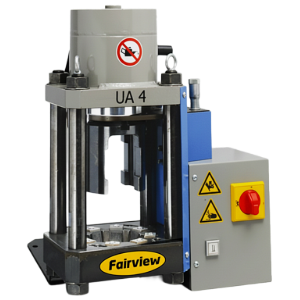
Power Source and Crimping Force
Hydraulic crimpers can be manual, electric, air/hydraulic, or fully hydraulic.
- Manual:
Ideal for smaller hoses and mobile work where portability is key.
- Electric or Air/Hydraulic:
Perfect for medium- to high-volume operations that need speed and repeatability.
- Fully Hydraulic Units:
Deliver maximum crimping force for large-diameter hoses and industrial applications.
Ease of Operation and Safety Features
A well-designed crimper should enhance workflow, not slow it down.
- Intuitive Controls:
Simple interfaces and digital displays help ensure precision.
- Safety Guards & Interlocks:
Look for built-in features that prevent accidental activation.
- Maintenance Access:
Easily serviceable components and accessible hydraulics reduce downtime.
Support, Training, and Parts Availability
After-sales support can make a big difference in long-term performance.
- Training Resources:
Choose a supplier that offers setup assistance, training materials, or on-site support.
- Parts and Accessories:
Availability of replacement dies, seals, and fittings is crucial for minimizing downtime.
- Technical Expertise:
Partner with a manufacturer or distributor who understands your system requirements and can recommend compatible hoses and fittings.
Conclusion
Choosing the right hydraulic crimper means balancing performance, compatibility, and reliability. At Fairview, we offer a range of high-quality crimping solutions designed to meet the needs of professionals across North America. Whether you require a portable field unit or a heavy-duty shop crimper, our experts can help you find the perfect fit for your hydraulic assembly operation.
Contact Fairview today to learn more about our hydraulic hose crimping systems and fitting solutions.


