
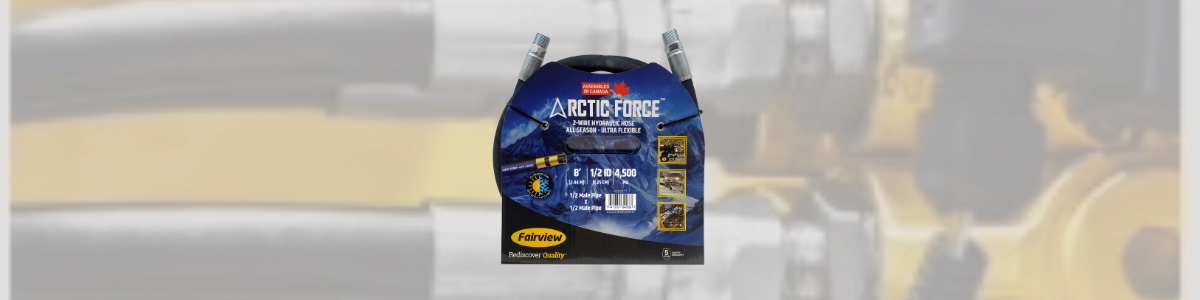
Understanding Hydraulic Power Take-Off (PTO) Systems and the Hydraulic Hoses That Keep Them Running
In industries such as construction, transportation, agriculture, waste management, and utility services, hydraulic power is essential for operating a wide range of equipment. One of the most common ways to generate hydraulic power on mobile equipment is through a Hydraulic Power Take-Off (PTO) system.
What Is a Hydraulic Power Take-Off (PTO) System?
A Power Take-Off (PTO) is a mechanical device that transfers power from a vehicle's engine or transmission to auxiliary equipment. When paired with a hydraulic pump, the PTO converts mechanical energy into hydraulic power that can operate equipment such as:
- Dump truck hoists
- Cranes
- Snowplows
- Refuse collection vehicles
- Tow trucks
- Utility service trucks
- Agricultural implements
The PTO is typically mounted to the vehicle's transmission and engages when hydraulic power is needed. When the PTO engages, the hydraulic pump draws fluid from the reservoir, pressurizes it, and delivers it through hydraulic hoses to the equipment being operated.
How Does a Hydraulic PTO System Work?
A typical hydraulic PTO system consists of several key components:
1. PTO Unit – Connects to the transmission and transfers engine power.
2. Hydraulic Pump – Generates hydraulic flow and pressure.
3. Hydraulic Reservoir – Stores hydraulic fluid.
4. Control Valves – Direct fluid flow to various functions.
5. Hydraulic Cylinders or Motors – Convert hydraulic energy into mechanical motion.
6. Hydraulic Hoses and Fittings – Transport hydraulic fluid throughout the system.
Common Hydraulic Hoses Used in PTO Systems:
1. SAE 100R2AT / EN853 2SN Hydraulic Hose
This is one of the most commonly used hoses in mobile hydraulic applications.
Ideal for:
- Dump trucks
- Utility vehicles
- Agricultural equipment
- General-purpose hydraulic circuits
Benefits:
- Two-wire braid reinforcement
- Excellent flexibility
- High-pressure capability
- Widely available and cost-effective
2. SAE 100R16 / DIN 2SC Hydraulic Hose
Designed for tighter routing situations where flexibility is important.
Ideal for:
- Compact hydraulic systems
- Trucks with limited installation space
- PTO systems requiring tighter bend radii
Benefits:
- Compact outside diameter
- Superior flexibility
- High-pressure performance
3. SAE 100R4 Suction and Return Hose
While pressure hoses often receive the most attention, the suction and return side of the hydraulic system is equally important. The hydraulic pump relies on a steady flow of fluid from the reservoir, and standard pressure hose is not designed for suction applications.
SAE 100R4 hose is specifically engineered for suction and return lines, featuring reinforcement that prevents the hose from collapsing under vacuum conditions while still handling low-pressure return flow.
Ideal for:
- Pump suction lines
- Return lines to the hydraulic reservoir
- Reservoir-to-pump connections
- Mobile hydraulic PTO systems
Key benefits:
- Vacuum-resistant construction
- Prevents hose collapse during pump operation
- Suitable for both suction and low-pressure return applications
- Helps ensure consistent hydraulic fluid flow
Using the proper suction hose is critical. A collapsed or restricted suction line can cause pump cavitation, excessive noise, reduced performance, and premature pump failure.
Factors to Consider When Selecting a PTO Hydraulic Hose
Hydraulic hoses are often overlooked, but they are critical to the performance, safety, and reliability of any PTO-driven hydraulic system. A hose failure can lead to equipment downtime, fluid loss, safety hazards, and costly repairs.
When selecting a hose for your PTO application, consider:
- Operating Pressure
Choose a hose with a working pressure rating that meets or exceeds your system's maximum operating pressure.
- Temperature Range
Hydraulic systems can experience varying operating temperatures depending on the application. Ensure the hose is rated for both the hydraulic fluid and environmental conditions.
- Suction Requirements
For reservoir-to-pump connections, always use a hose designed for vacuum service, such as SAE 100R4. Standard pressure hoses are not intended for suction applications and may fail prematurely.
- Abrasion Resistance
Mobile equipment is frequently exposed to vibration, road debris, and harsh working environments. Abrasion-resistant hose covers and protective sleeves can help extend service life.
- Flexibility and Routing
PTO systems often require hoses to navigate tight spaces around pumps, reservoirs, and truck frames. Flexible hose options can simplify installation and reduce stress on the assembly.
- Compatibility
Always verify compatibility between the hydraulic fluid, hose construction, and fittings to ensure long-term performance.
Conclusion
Hydraulic PTO systems provide an efficient way to power truck-mounted and mobile hydraulic equipment, making them an essential component in many industries. While the PTO and hydraulic pump generate the power, hydraulic hoses are responsible for delivering that power safely and effectively throughout the system.
For most PTO applications, SAE 100R2AT, and SAE 100R16, hoses are commonly used on the pressure side of the system, while SAE 100R4 hose is the preferred choice for suction and return lines between the reservoir and pump. Selecting the correct hose for each part of the hydraulic circuit helps maximize performance, reduce downtime, and protect valuable hydraulic components.
When it comes to hydraulic PTO systems, every hose has a job to do—and choosing the right one can make all the difference in keeping your equipment running efficiently.
Understanding Hydraulic Power Take-Off (PTO) Systems and the Hydraulic Hoses That Keep Them Running
In industries such as construction, transportation, agriculture, waste management, and utility services, hydraulic power is essential for operating a wide range of equipment. One of the most common ways to generate hydraulic power on mobile equipment is through a Hydraulic Power Take-Off (PTO) system.
What Is a Hydraulic Power Take-Off (PTO) System?
A Power Take-Off (PTO) is a mechanical device that transfers power from a vehicle's engine or transmission to auxiliary equipment. When paired with a hydraulic pump, the PTO converts mechanical energy into hydraulic power that can operate equipment such as:
- Dump truck hoists
- Cranes
- Snowplows
- Refuse collection vehicles
- Tow trucks
- Utility service trucks
- Agricultural implements
The PTO is typically mounted to the vehicle's transmission and engages when hydraulic power is needed. When the PTO engages, the hydraulic pump draws fluid from the reservoir, pressurizes it, and delivers it through hydraulic hoses to the equipment being operated.
How Does a Hydraulic PTO System Work?
A typical hydraulic PTO system consists of several key components:
1. PTO Unit – Connects to the transmission and transfers engine power.
2. Hydraulic Pump – Generates hydraulic flow and pressure.
3. Hydraulic Reservoir – Stores hydraulic fluid.
4. Control Valves – Direct fluid flow to various functions.
5. Hydraulic Cylinders or Motors – Convert hydraulic energy into mechanical motion.
6. Hydraulic Hoses and Fittings – Transport hydraulic fluid throughout the system.

Common Hydraulic Hoses Used in PTO Systems:
1. SAE 100R2AT / EN853 2SN Hydraulic Hose
This is one of the most commonly used hoses in mobile hydraulic applications.
Ideal for:
- Dump trucks
- Utility vehicles
- Agricultural equipment
- General-purpose hydraulic circuits
Benefits:
- Two-wire braid reinforcement
- Excellent flexibility
- High-pressure capability
- Widely available and cost-effective
2. SAE 100R16 / DIN 2SC Hydraulic Hose
Designed for tighter routing situations where flexibility is important.
Ideal for:
- Compact hydraulic systems
- Trucks with limited installation space
- PTO systems requiring tighter bend radii
Benefits:
- Compact outside diameter
- Superior flexibility
- High-pressure performance
3. SAE 100R4 Suction and Return Hose
While pressure hoses often receive the most attention, the suction and return side of the hydraulic system is equally important. The hydraulic pump relies on a steady flow of fluid from the reservoir, and standard pressure hose is not designed for suction applications.
SAE 100R4 hose is specifically engineered for suction and return lines, featuring reinforcement that prevents the hose from collapsing under vacuum conditions while still handling low-pressure return flow.
Ideal for:
- Pump suction lines
- Return lines to the hydraulic reservoir
- Reservoir-to-pump connections
- Mobile hydraulic PTO systems
Key benefits:
- Vacuum-resistant construction
- Prevents hose collapse during pump operation
- Suitable for both suction and low-pressure return applications
- Helps ensure consistent hydraulic fluid flow
Using the proper suction hose is critical. A collapsed or restricted suction line can cause pump cavitation, excessive noise, reduced performance, and premature pump failure.
Factors to Consider When Selecting a PTO Hydraulic Hose
Hydraulic hoses are often overlooked, but they are critical to the performance, safety, and reliability of any PTO-driven hydraulic system. A hose failure can lead to equipment downtime, fluid loss, safety hazards, and costly repairs.
When selecting a hose for your PTO application, consider:
Operating Pressure
Choose a hose with a working pressure rating that meets or exceeds your system's maximum operating pressure.
Temperature Range
Hydraulic systems can experience varying operating temperatures depending on the application. Ensure the hose is rated for both the hydraulic fluid and environmental conditions.
Suction Requirements
For reservoir-to-pump connections, always use a hose designed for vacuum service, such as SAE 100R4. Standard pressure hoses are not intended for suction applications and may fail prematurely.
Abrasion Resistance
Mobile equipment is frequently exposed to vibration, road debris, and harsh working environments. Abrasion-resistant hose covers and protective sleeves can help extend service life.
Flexibility and Routing
PTO systems often require hoses to navigate tight spaces around pumps, reservoirs, and truck frames. Flexible hose options can simplify installation and reduce stress on the assembly.
Compatibility
Always verify compatibility between the hydraulic fluid, hose construction, and fittings to ensure long-term performance.
Conclusion
Hydraulic PTO systems provide an efficient way to power truck-mounted and mobile hydraulic equipment, making them an essential component in many industries. While the PTO and hydraulic pump generate the power, hydraulic hoses are responsible for delivering that power safely and effectively throughout the system.
For most PTO applications, SAE 100R2AT, and SAE 100R16, hoses are commonly used on the pressure side of the system, while SAE 100R4 hose is the preferred choice for suction and return lines between the reservoir and pump. Selecting the correct hose for each part of the hydraulic circuit helps maximize performance, reduce downtime, and protect valuable hydraulic components.
When it comes to hydraulic PTO systems, every hose has a job to do—and choosing the right one can make all the difference in keeping your equipment running efficiently.
Our Products
Used in Industries
- Construction
- Transportation/ Trucking
- Agriculture
- Waste Management
- Utility Services


